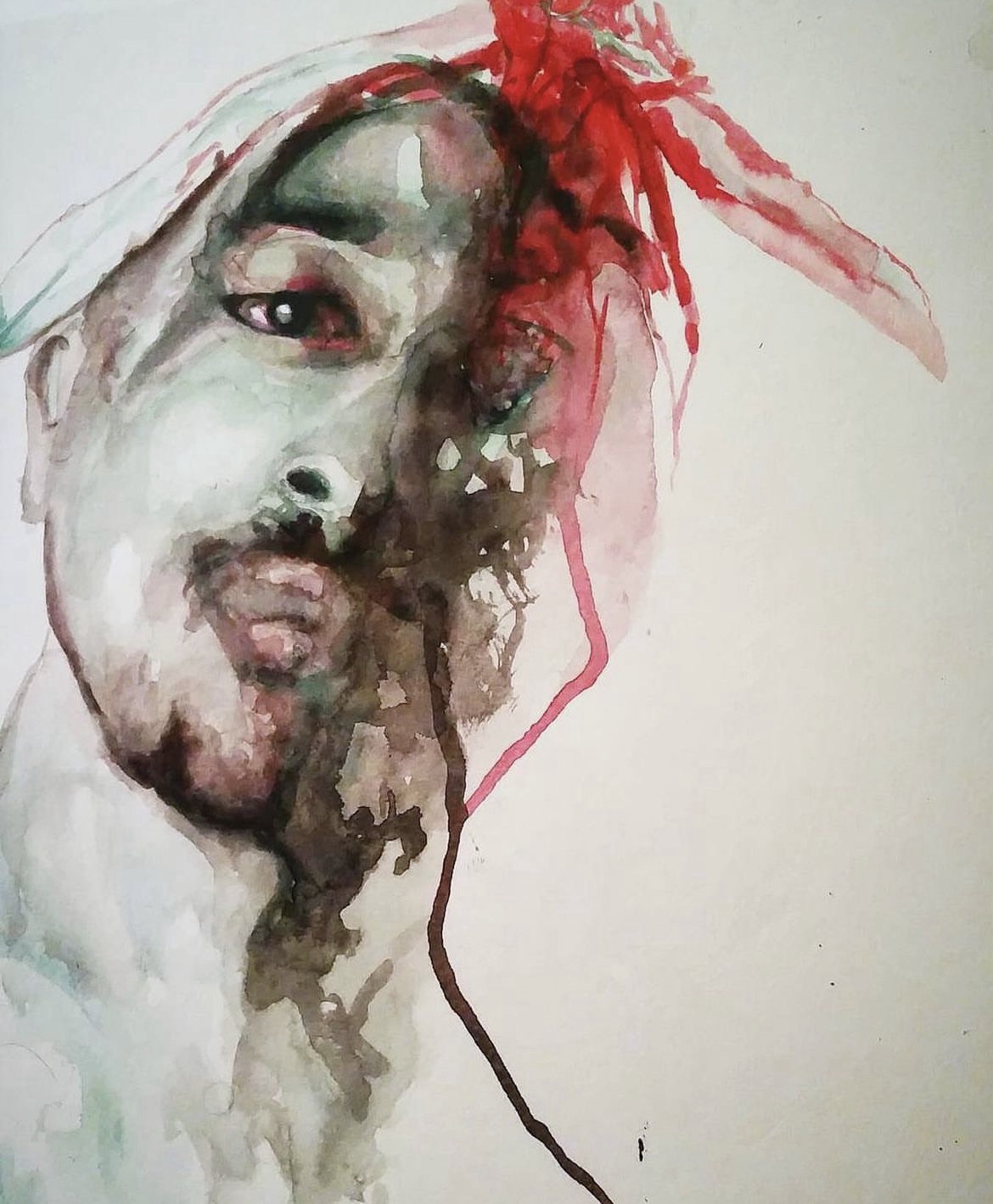
[A Music SubSeries: 008 – A Reclaimed Timbre Seven-Day Theory Record Review]

I had all four of the albums 2Pac released before he died. Five if you include Thug Life Volume 1. Not to mention every movie soundtrack and compilation and any other rap CD that had a 2Pac cameo verse.
E-40, Spice 1, MC Breed, Scarface, Richie Rich… he’d outshine anyone and everyone on any of those albums.
The night he passed, September 13th, 1996, I got the info from Tabitha Soren who delivered it on an MTV News clip. Let’s face it, any time Kurt Loder or Tabitha Soren came on without notice, it wasn’t going to be a positive update. Without the internet at the time, I didn’t even know Pac had been gunned down again, a few days before in a black BMW 7 Series on the Las Vegas strip after a Mike Tyson prize fight. The news of his death was just a baffling, completely jarring thing for me to hear about in a thirty second snippet I randomly caught.
Like everyone else who was even marginally interested, I first saw the Makaveli CD two months later in mid-November 1996, on the front display shelf at their local mall. I was drawn into Camelot Music like a Hip Hop obsessed moth toward a gangsta glow. I instantly purchased it. No questions asked. Or more accurately I had many questions to ask, but none pertaining to whether I was going to buy it right then and there. I needed to know what it was.
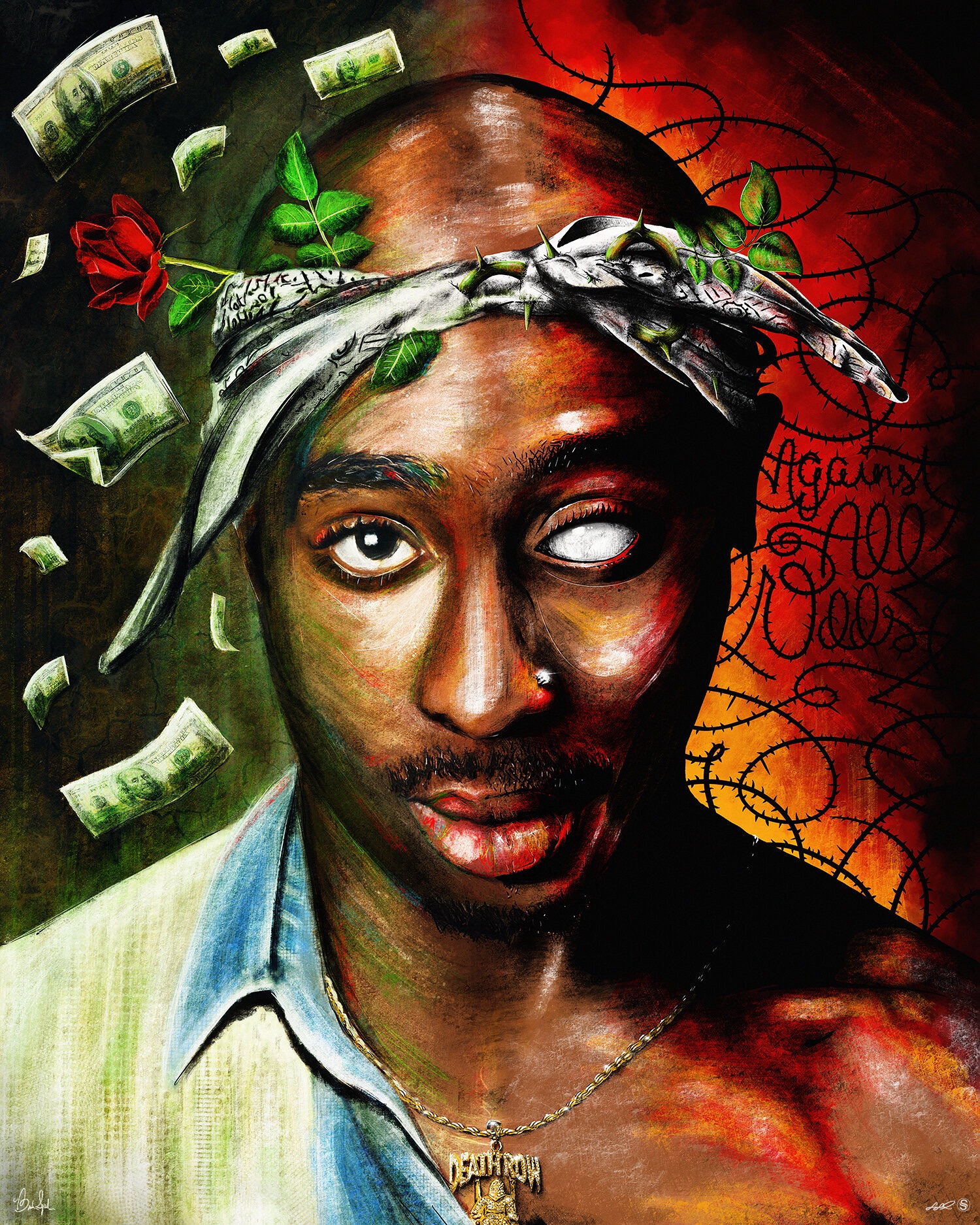
The Don Killuminati: The Seven-Day Theory was the final album 2Pac would have complete artistic control over in terms of recording. An archetype of futurity and an intellectual stance of postmodernism.
Over the years it became my favorite 2Pac record of all time. It has certainly gained traction with the masses as the grittiness from the gate has given way to 2Pac’s grand and erudite statements from beyond the grave. It’s one of those albums where original negative reviewers have felt embarrassed and have started to judiciously change their respective reviews as the decades pass.
The Don Killuminati was levels darker than All Eyes on Me, which was mostly a party record – a post-prison celebration of sorts. All Eyez on Me was a who’s-who of A-list(1) gangsta features and a glamourous book of liner notes and photos of Pac drinking glasses of Thug Passion. Quite a juxtaposition from the depth and empathy mixed with tropes of morbidity that lie within Makaveli.
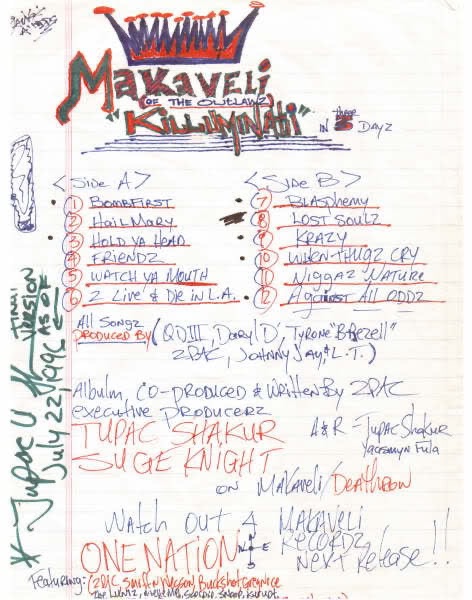
Makaveli, a very minimalist, lo-fi recording was completed in seven days in early August 1996. Since the vocals were finished in just three days, the original title was going to be The 3 Day Theory. Recorded in the “wack room” at Can-Am in the interest of efficiency, only MCs who had verses ready to go were welcome on the tracks.

Like most of 2Pac’s work the album was ethnomusicological, breaking through the borders of Hip Hop, and melting directly into pop culture. Oscillating between narrative and missional action. Inspiration derived from allegory and parable, being an active participant, or observer. (0) His musical connections on this record range from ingenious metaphor and enclave fable to vengeful and destructively violent.
Cornel West noted that Black popular culture is the “thermometer of the nation as well as the projector of possibility for prophetic thought and action.” (1993)
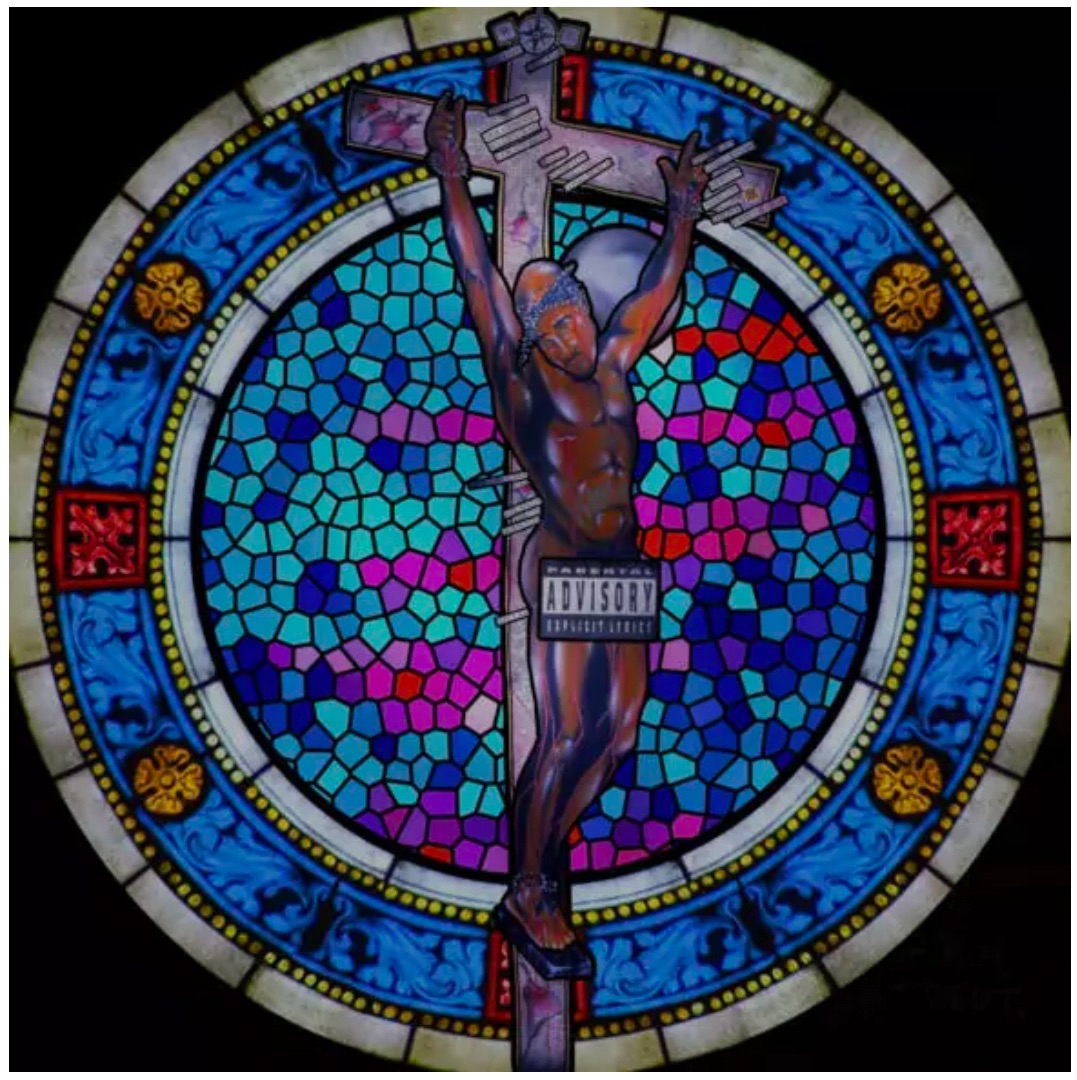
The cover art by Riskie Brent pulls from renaissance portrayals of Christ on the Crucifix at Golgotha. The iconic bandana covering Pac’s brow like a crown of thorns, and barbed wire over his wrists to signify his time in prison for being wrongly accused. Demonized by mass media and left alone to suffer.
Portions of the album, broken off like Eucharistic bread are pitched perfectly toward the record’s liturgical artwork. Eyes of sorrow and an estuary of blood leaking down his form. American cities nailed to the cross in a roadmap of injustice.

The parental advisory sticker over his crotch, at first, to me at age sixteen was silly, but now I more recognize it as representing the false accusations of rape he was charged with. The artist tarnished, humiliated, and on display for the world to see.
The album was initially going to be an underground mixtape. 2Pac forecasted the rise of the mixtape concept and his intention for The 3-Day Theory was that he was going to originally only distribute it to mom-and-pop stores to sell. It spun into an official, commercial release after he was killed. The original artwork on the back of the CD was removed by Deathrow only at the behest of Interscope. It had spiteful images depicting Dr Dre being raped by some sort of white, burly being, Biggie Smalls as a pig, and Puff Daddy in a tutu.
The emblem of the tutu is interesting to me since 2Pac as a kid studied ballet for multiple years at Baltimore School for the Arts. Not that men who perform ballet wear tutus, but the idea that he’d choose imagery from his past and project the notes of femininity on to someone else as if he had no history of dance.
…
Like the passing of any genius, lore would grow around 2Pac’s murder. The release of this surprise album was enough on its own to cause conspiratorial uprising on a staged death. Especially with the alternate name based on Niccolò di Bernardo dei Machiavelli, the father of modern political philosophy and political science. 2Pac was reading his works during his time in jail.
Machiavelli was most well-known for his treatise, The Prince, written in 1513 but not published until 1532, five years after his death. A posthumous release. The borderline dictatorial philosopher spoke on ideas of faking your own death in order to fool your enemies. All of this speculative confluence was funneled into the widespread idea that 2Pac was still alive, and somehow would remain quiet enough for seven years until he appeared again.
Brothaz getting’ shot, comin’ back resurrected.
The ends justify the means. Was it his plan to make history books? I did have a small beacon of hope, honestly. 2003 came and went and I officially knew he wasn’t coming back in physical form.

[The Wrath of a Menace.]
People wanted to dissect anything they could. It was claimed that during the initial second of the opening track “Bomb First (My Second Reply)”, there’s a hushed voice stating what could be taken as: “Suge shot him”.
It does sound like it. But it’s not that.
It was rumored 2Pac was formally getting ready to leave Deathrow Records during the recording of Makaveli. He had fulfilled his obligation of three albums to Suge Knight in exchange for Suge getting Pac out of Clinton Correctional Facility. He had made Suge a lot of cash, what with All Eyes on Me (counting as two albums) and “California Love” being so successful. Just a massive commercial behemoth. (2)
Obviously Suge did not want Pac to leave Deathrow, but the truth is that the prison bond was fronted by Jimmy Iovine in order to keep 2Pac under the Interscope umbrella. A one-million-dollar contract inked on a cocktail napkin.
The conspiratorial idea here was that Suge, instead of having to let Pac leave his record label, set him up to be shot…while riding in the same car. Suge took a bullet graze to the head during that ordeal. If that guy orchestrated that, all the while taking his own bullet scar just to look innocent, I have to say – maybe the idea that he can’t even put a full sentence together in an interview is just an ingenious, Oscar-worthy act.
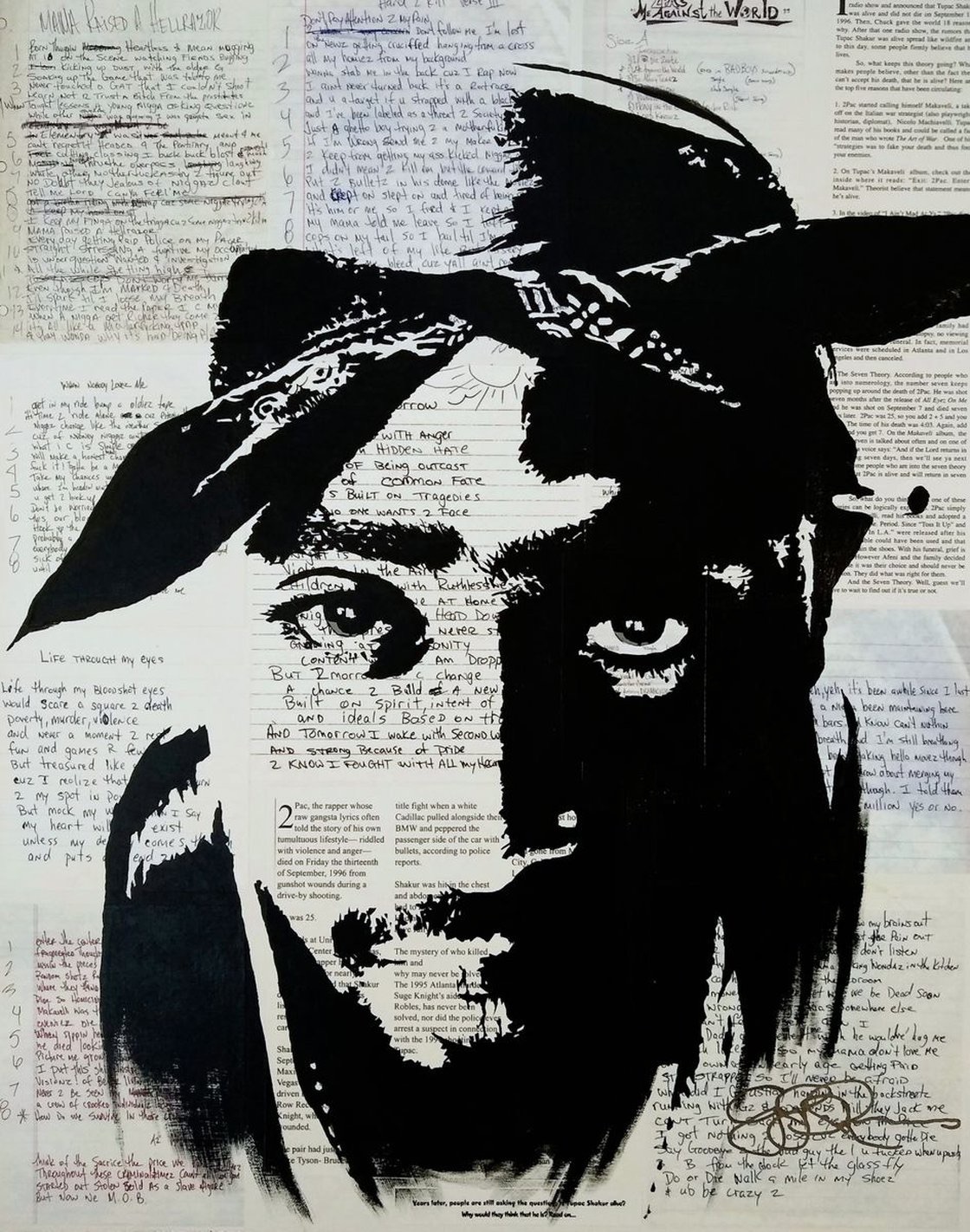
Sometimes I think about frumpy Piru Suge, a human loaf of bread, awkwardly bumping into that other dude on stage after his infamous, sputtering speech at the 1995 Source Awards. It makes me think he wasn’t smooth enough to pull off a fraction of the things he’s supposedly done. Let alone a murder that would go unsolved for almost thirty years.
Jimmy Iovine would not have been vile enough to put that hit out. I heard Iovine on Rick Rubin’s podcast, and I saw him on The Defiant Ones documentary. He was a mogul. Definitely not a gangster. (3)
We bomb first when we ride.
Please, reconsider ‘fore you die.
“Bomb First” is just venomous diatribe right out of the gates. It’s a more subdued, less cutting companion piece to “Hit ‘em Up” but with new attacks and death threats on Bad Boy records staff, Mobb Deep, and even an awkward Jay Z who just got tossed in the mix. Eh, let’s kill Jay Z, too, while we’re at it. At this point, why not?
One interesting note is that 2Pac, while recording “Hit ‘em Up” did in fact take a shot at Jay Z. It’s that segment of silence on the track after putting Chino XL in his place. Pac’s microphone cut out when he yelled “Jay Z? Fuck you too!”, so it was never actually recorded. Just a mysterious blank left on the tape.
A possible ghost left in the corner – a small tangent in a technological glitch that if recorded may have diminished Jay Z’s rep worldwide. But that’s Jay Z for you; always accidentally falling ass-backward into luck.

[The Iceberg Slim Synopsis 1]:
Jay Z featured The Notorious B.I.G. on “Brooklyn’s Finest” – my favorite song from Reasonable Doubt. This would have been the peak of the East Coast versus West Coast feud. The track represents Marcy Projects to the edge of Bed-Stuy. Pure Brooklyn. Pure New York City crack dealer shit. 2Pac, in his eyes, believed Jay Z was supporting The Notorious B.I.G in the turmoil of the beef that was sparked when Pac was shot five times in Quad Studio NYC on his way up to see Puff Daddy and Biggie.
2Pac thought the assault was set up by Bad Boy executive associates Haitian Jack and this other piece of shit named King Tut. He thought Puff and Big were complacent, and at the very least knew about it ahead of time. The wicked flee when no man followeth.
“If Faith had twins, she’d probably have two Pacs. Get it, 2…Pac’s?”
In my estimation it was the only time Biggie ever used 2Pacs name in a song, and it was clearly pushing humor to the effect that 2Pac claimed “I had sex with your wife, uh, not in those words…”. This was just three weeks after “Hit ‘em Up” was released in 1996. I’m not so sure if there had even been time for Biggie to record that line and Rockafella to have the full album produced and released in stores by the time “Hit ‘em Up” was released as a b-side to “How do You Want it?”.
By the time Biggie had actually heard “Hit ‘em Up” I’m sure he had already recorded that verse on Reasonable Doubt multiple months beforehand. The rumor of 2Pac sleeping with Faith Evans was out there already and Biggie was referencing that rumor and frankly just poking fun at himself.
I don’t think that “Who Shot Ya?” was about 2Pac. Occam’s Razor would state that it was. But I don’t believe it based on the aggregated metadata of one of my life’s obsessions in studying 1990s gangsta rap. It was released February 1995 as a b-side on the “Big Poppa” CD single.
Was it in bad taste? I think so. Was the timing extremely poor? Well, it certainly clouded the scenario. At best it was egregious and at worst it was completely thoughtless. It fed the fire, and I think it was irresponsible. But these were all twenty-five and twenty-six-year-old kids. I was a complete moron at twenty-five, I didn’t have half the ego, even a percent of the braggadocio, and I certainly didn’t have a global platform.
The one blatant thing that Big did was call in to a radio show and he talked about feeling annoyed that the Dogg Pound was in New York City shooting a video for “New York, New York”. His statement “we’re just allowing them to do this?” was all it took for someone to drive by and spray up the Dogg Pound’s trailer on the set the next day. No one was shot but bullet holes riddled the side of the unit.
After the assault, Deathrow switched the idea of the “New York, New York” music video to show the Dogg Pound kicking over New York buildings of the Manhattan skyline. So spiraled the bi-coastal feud…
[Blasphemous Rumors.]
They say Moses split the Red Sea.
I split the blunt and roll a fat one up, daily.
“Blasphemy” is wordplay in homophone. While blasphemy is to not go against the will of God, the turn of phrase “blast for me” is a request to shoot at Pac’s will.
The Biblical references and conflation in this track are dense with ideation.
“My family tree consists of drug dealers, thugs, and killers…”
2Pac’s stepfather, Mutula Shakur was involved in a 1.6-million-dollar Brinks armored truck robbery where multiple police officers were killed. His mother has a storied history with the law and the Black Panther Movement. Wrong or right, this was a family yoked by bonds of oppression that felt they had to do what they had to do in order to survive.
He refers to the Biblical Decalogue interwoven with, yet contradictory to the Ten Rules to the Game, which are more precedents. Not quite like Biggie’s Ten Crack Commandments, a goofy play on being a complete trashball, but more along the line of given hood facts on scenarios, and how to reply.
To further conflate things with wordcraft, 2Pac referring to God as a woman was to state that people have been worshipping the wrong person this whole time and waiting forever to hear back. Blasphemy in a sense that this statement would get you burned at the stake in the Middle Ages as well as ousted from almost any Conservative Evangelical cult. It’s also tongue in cheek for the idea that women take way too much time getting ready. I think it’s playful and citing the idea of God as female points to Pac’s admiration for strong women.
“Livin’ by the Nile, while the water flow” is obviously an Old Testament referral with homophone focused on the note of denial. Denial, all the while a symbol with the same pronunciation, reflecting an adage drenched in focus of a massive running river located directly adjacent, yet people are waiting on God to deliver fresh water to the thirsty.
Hustlers say, “fuck it” and just go get it. Hell is now and it’s in the form of chemical addiction.
The preacher wants me buried, why? ‘Cause I know he a liar
Have you ever seen a crackhead? That’s eternal fire.
Why you got these kids’ minds thinkin’ that they evil?
While the preacher bein’ freaky, you say, ‘honor God’s people’

[The Lost Sheep.]
Allegedly, 2Pac wrote his verses for “Hail Mary” within fifteen minutes. Quite a contrast from Ray Parker, Jr supposedly writing the Ghostbusters theme song in the same amount of time. One man was ingenious, the other man was Ray Parker, Jr.
A personal inflection is that I could leave or take any of the Outlaw Immortal/Thug Life members’ verses on any of the songs on “Hail Mary” or any 2pac song. It’s always a decent show of support but I reflect about zero energy on what his disciples had to say. Those dudes were just on the bus.
Like anyone else, I’ve always been interested in the Beatitudes. The Sermon on the Mount. The red font.
2Pac’s repeated foresight into his coming death is chilling as he knew he would be murdered. Hail Mary being an allusion to both Catholicism as well as a last-ditch effort, illustrates Makaveli rising from the grave to answer prayers of the imprisoned. The hardcore felons at Clinton Correctional Facility who would connect with this spirit after they turn off the lights. He’d be there in the dark.
A taste of freedom and enlightenment.
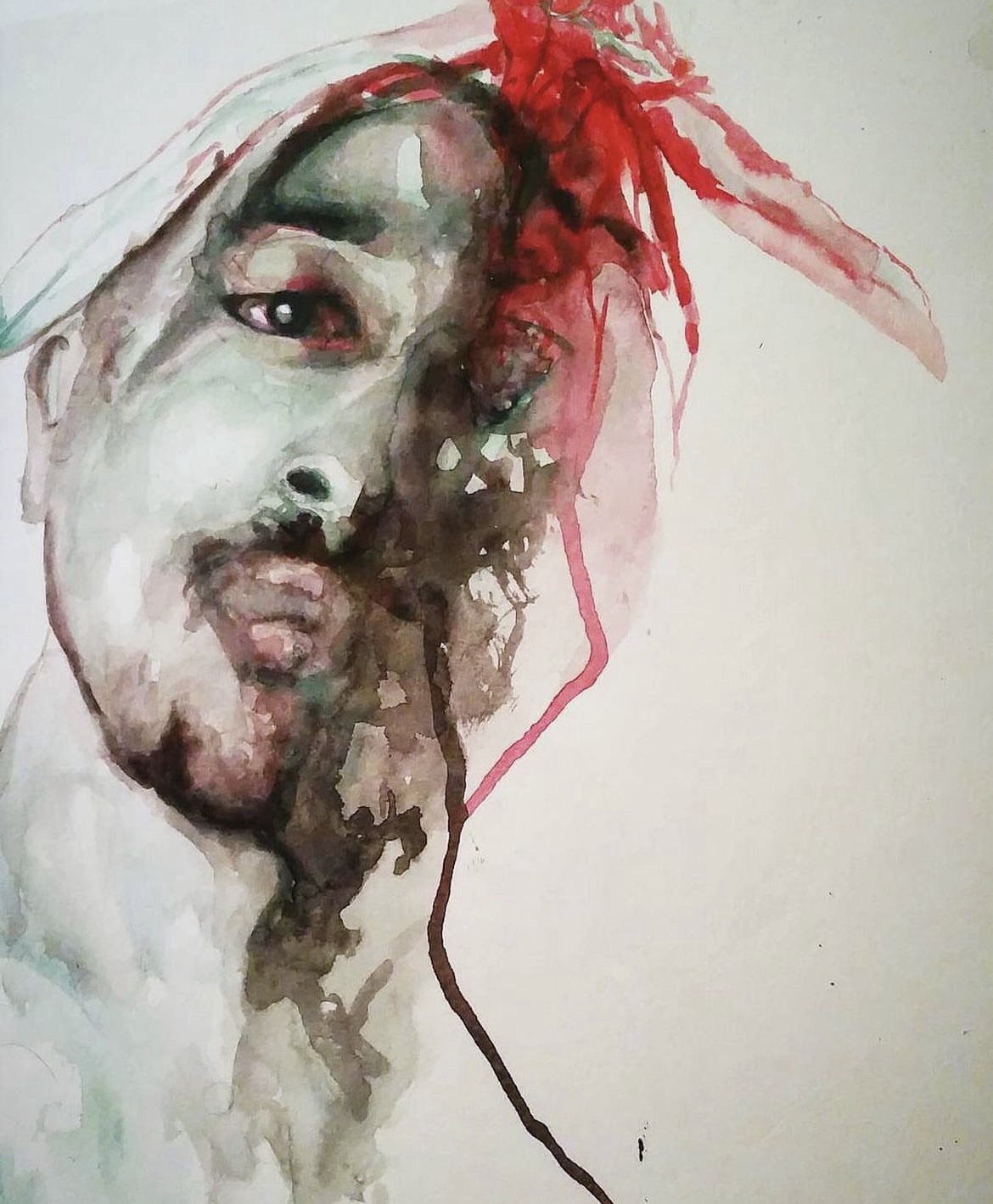
I like the little reggae dwarf at the end of “Hail Mary”, Prince Ital Joe. Riding around in his drop top Powerwheel smoking a spliff, the Keebler Rastafarian with the smooth raspy dialect. He’s also one of the peak moments of the entire Dogg Food album. Rest in Peace short little dreadlock’d gangsta gnome saint.
I’ve always gotten chills hearing Prince Ital Joe’s mini-narrative, over the Lords Prayer in the song “Blasphemy”.
Nuf-for-dem-dat-steal-in-the-name-of-da-lord-dem-a-tell-nuff-lie-but-holdin-my-bird-in-a-cloud.
“Holding my bird in a cloud” seems to be an open-ended analogy to help condition and situate the overlapping lines describing blasphemy combined with the condition of the “people in the ghetto”.
We steal to survive, while you steal and cover it up with ruminations of faith and religiosity. The truth is the “blasphemy” is that you let people starve while the Vatican exists as a palace with locked gates. I’ve done the tour in Rome.
People hunger while other people dine in a mansion on a hill that was gifted to them by “god”.

[Jodeci vs Blackstreet.]
A vehicle with hooks from K-Ci and Jojo that would not stay in one lane: “Toss it Up”. Pac took two-thirds of Jodeci and started out with a poem about sex and swerved to the side to jump out and beat up on Dr. Dre. The route from love to murder is paved with passion and the intersection is where I commonly find 2Pac.
He questions Dre’s sexuality since that was a really big insult to these guys in the 1990s. I’m not certain what Dre’s actual sexual preference would have to do with him leaving Suge Knight et al, but I got the point. From what I can tell, Dre mainly left because motherfuckers were getting mugged and shot in the Deathrow studio. Dr. Dre even took a bullet in the leg at some point and didn’t have the slug removed for a full decade. That is about as gangster as one can get, man.
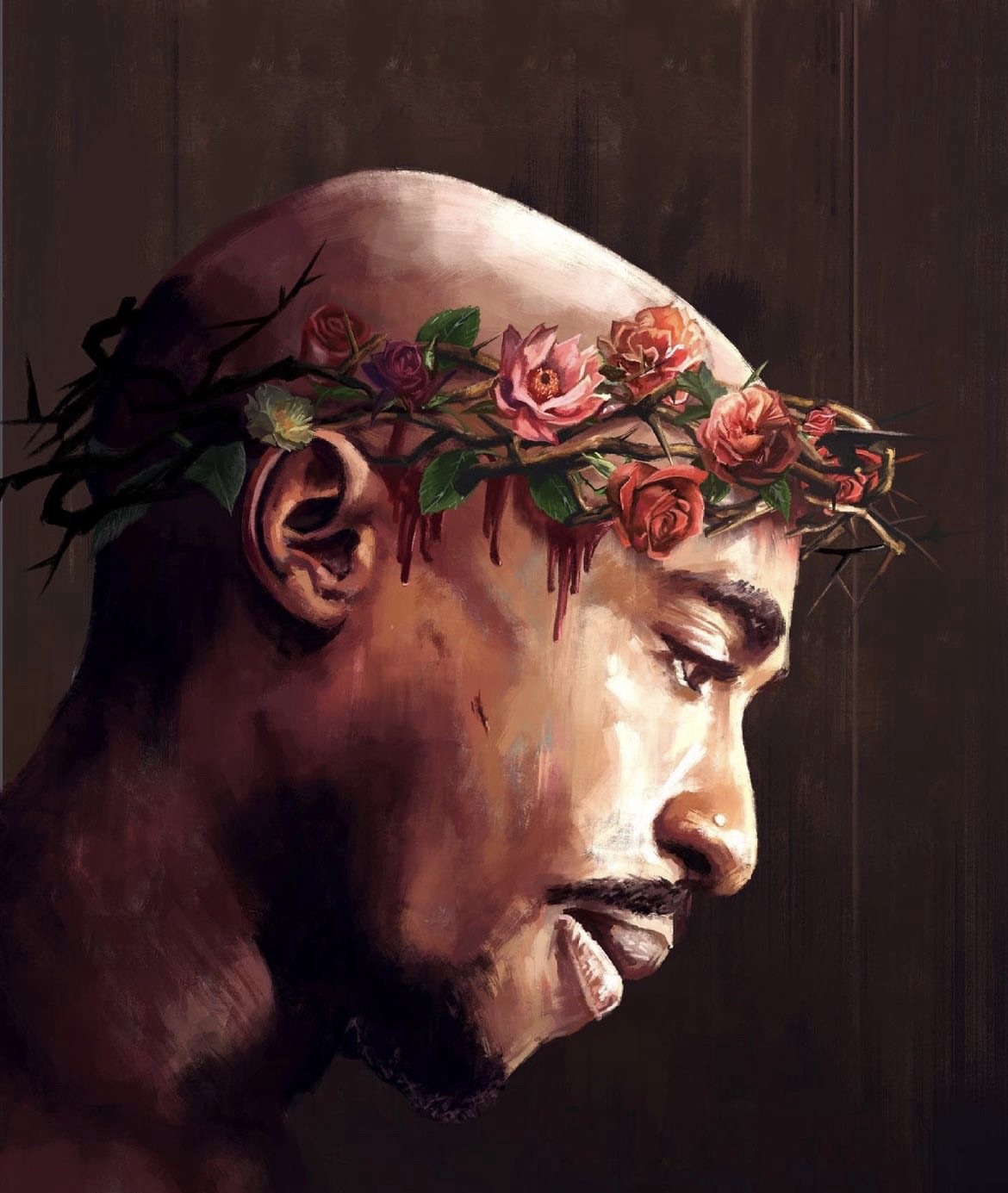
In the scheme of things, bowing out was just another brilliant move by the genius who is the Doctor they told you to go see. Before parking “Toss it Up”, Pac had to take one additional shot at Puffy. If Puff did have Pac murdered, among the darkness I still find humor that Pac got a last laugh. Life after death on a multiplatinum selling megaphone.
Originally recorded over the beat for “No Diggity”, which I’m assuming was another jab at Dre, the version of “Toss it Up” on this record was technically a remix. Blackstreet filed a cease-and-desist order to Deathrow warning them not to use their beat.
[Quadruple-QUADRAAAPLE Platinum.]
To Live and Die in L.A. – where every day we try to fatten our pockets.
Produced by QDIII, Quincey Jones’ son, the only producer on the record not associated with Deathrow. Finishing touches by Detroit guitarist Ricky Rouse. “To Live & Die in L.A.” – California Love part muthafuckin two. A sonnet penned to Los Angeles County.

The heavily sloped shift of yet another show of adoration offset by an additional homophobic attack on Dr. Dre seemed to put Snoop in the middle of things. Snoop, lodged in the conflict, forced to choose a side, pulled away. Even before 2Pac’s murder, Snoop’s days at Deathrow had begun to tick down.
A looming, ominous presence was apparent, and it became understood, at least to me, why Warren G never signed with Deathrow. Opting for Def Jam, he got the vibe in 1993, well before any of the others did.
Regardless I love the song, and I blast it on warm days with all the windows down.
[Complexity vs Creepiness.]
“Just Like Daddy” was produced by Hurt M. Badd which is the coolest name ever. I wish I had thought of that name.
This track is another convoluted theme for me. It’s a blend of two ideas: encouragement and giving thanks for reciprocated support from various women, and an odd misogynistic structure based on notions that could be seen as gaslighting, and manipulation.
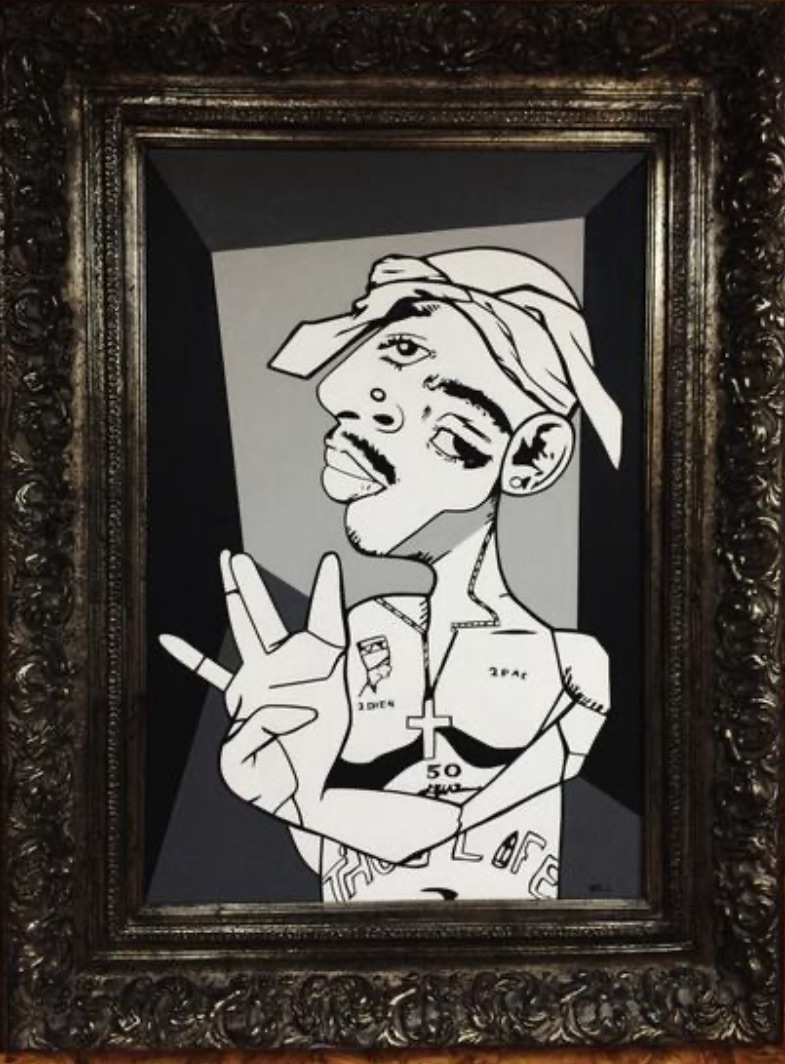
2Pac alludes to both his ex-girlfriend Desiree Smith, who claimed that 2Pac’s friend Big Stretch tried to make a romantic move on her while Pac was locked down, and his wife Kiesha Morris who he married while at Clinton Correctional Facility at age twenty-three.
The idea of being someone’s “Daddy”, for some reason, in some circles is construed as sensual. It would be scope-creep to attempt to break down that power structure in this essay. But in terms of this song, I feel like the notion of being a woman’s “daddy” is sort of a fill-in for the women they knew, whose biological fathers had left them at a young age.
The argument would be that they are stepping in to show guidance and financial stability to women they find attractive, and by mere default of the narrative shown, relatively young. At least, necessarily younger than the Outlaw Immortals. It would be hard to be someone’s daddy if you are younger than they are. Well maybe not psychologically. But for this writing we’ll only consider mathematics. For this essay we will assume that the female counterparts are at least eighteen. Nothing is stated differently, so there is no reason to assume otherwise.
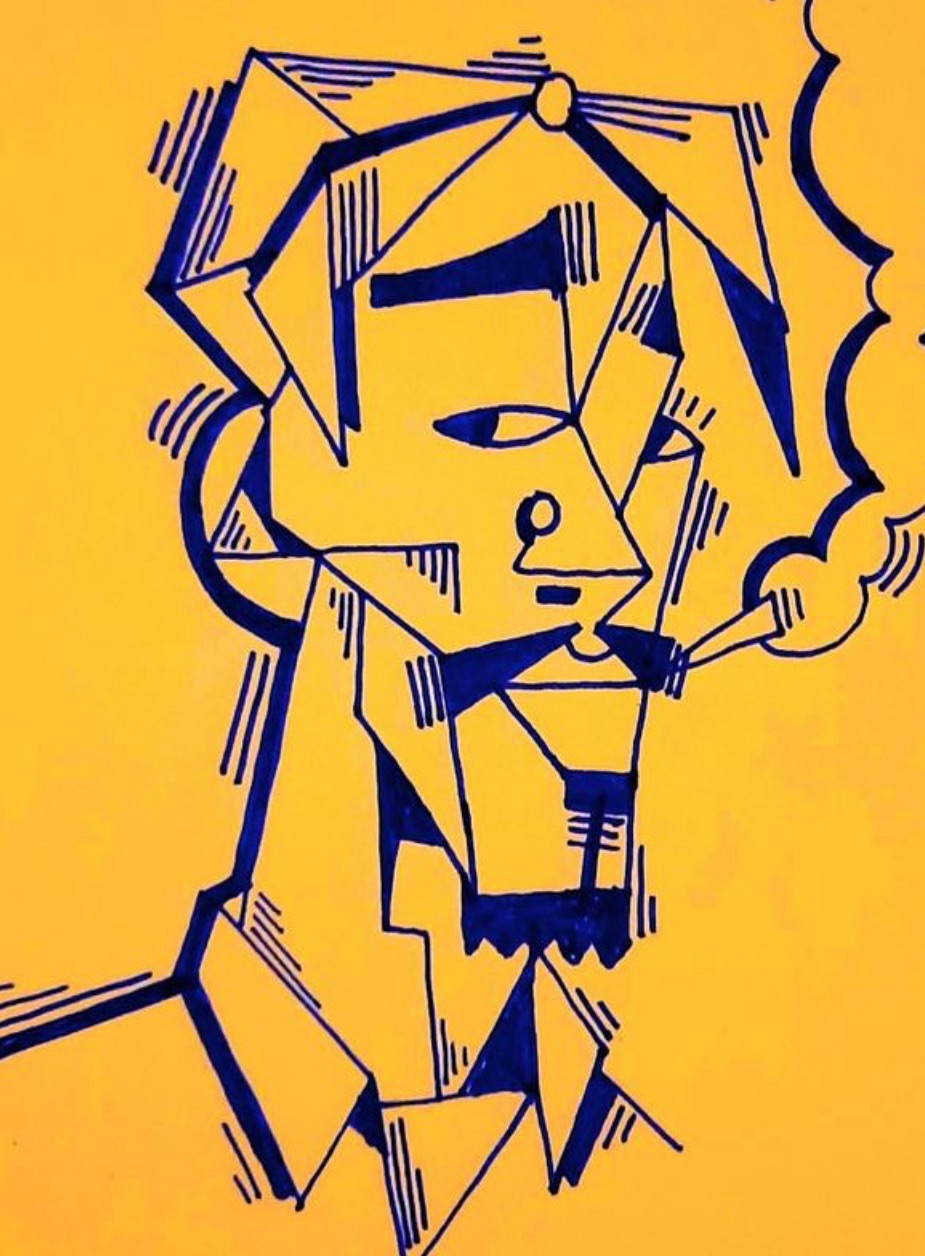
The concept is that they are formulating a bond with the female in an attempt to be looked up to. Clearly it generates a form of respect and a code of loyalty. In the meantime, to everyone else, it feels condescending or disturbing. The song is cast as a group of males probably trying their best but ultimately sounding patronizing and coming off as valuing a top-down superior identity.
For 1996 West Coast gangsta rap it was normalcy, and frankly not even really that taboo based purely on data derived my rap album collection as a whole. Any attempt to squeeze this particular song into a 2024 schematic would feel completely tone deaf.
At age sixteen, the image felt okay to me. Or more appropriately; I was just oblivious. My friend Adam and I would bob our heads continuously as we rode around in my parent’s Dodge Caravan blasting this shit. Even after the #metoo movement and the emergence of cancel culture, I still to this day understand the naïve vantage point of the rappers on this track. Given their age, the time frame, and their upbringing. But a song like this couldn’t be made today while being taken seriously at the same time.

I also think 2Pac could give a fuck. That guy was “canceled” in real life. Tossed in a god damn penitentiary. I don’t think he’d care what you think.
Even though I’ve been rough on it, I like the song, specifically given my analysis. If I had heard “Just Like Daddy” today for the first time, and it was performed by one of the newer rappers…Big Lil’, whatever, I would think it was really out of tune with the world and I’d have no interest in re-listening. But nostalgia is a motherfucker for me, and it ropes me in like a lasso.
I don’t think the themes represent my personality or my views, but that goes for like 90% of the gangsta rap I listen to as well. Because, you know, all the murder and stuff.
[Throw me another cigarette, dog!]
“Krazy” was supposed to feature The Outlawz but none of those guys had verses ready. Come on. Anyway, Pac featured Bad Azz who happened to being hanging around Can Am studios and who also happened to have a verse written.
Bad Azz was in LBC Crew, that one group that Snoop signed to Doggystyle Records that had the song “Beware my Crew”.
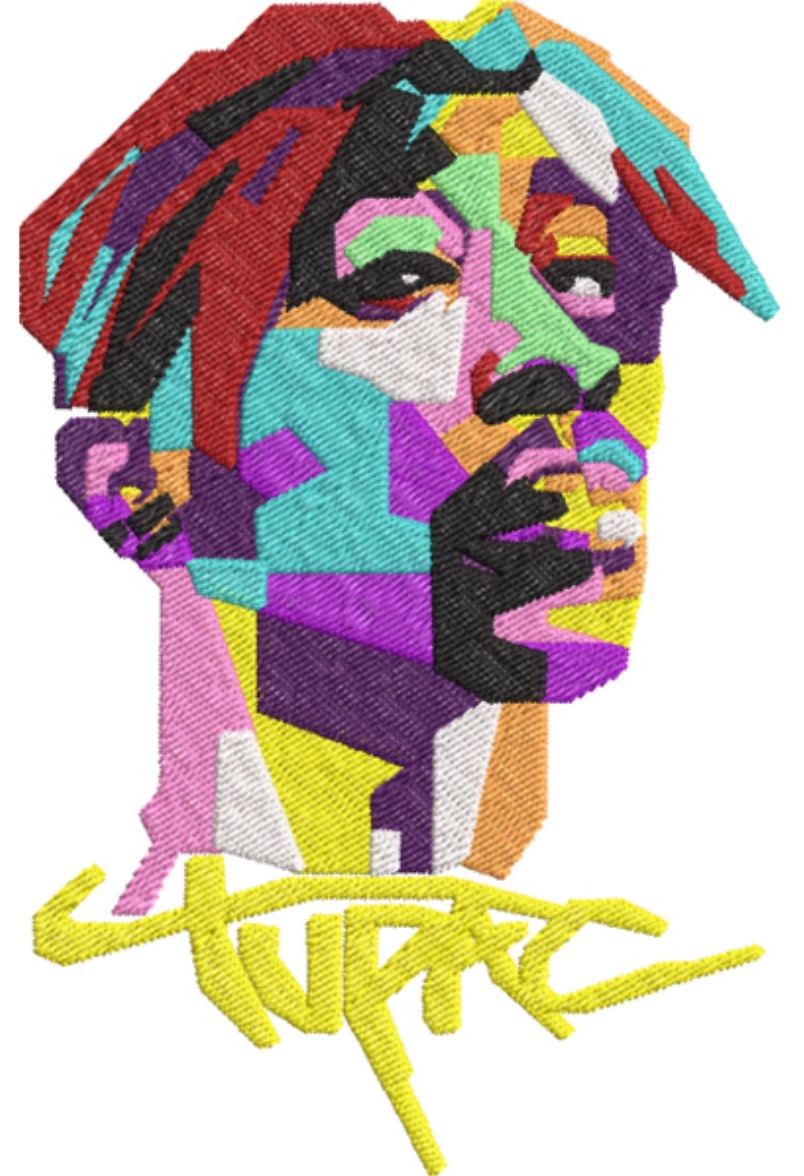
“Somebody somewhere, best beware my crew” always felt curious to me. It almost sounded like a begging verse: “come on guys…somebody act afraid of us…please?”
In “Krazy”, 2pac points toward his success being the driver that caused him to be a target. Pressures creating Kraziness and facilitating him toward acting out. It’s kind of a fluffy flower patch amongst an album of tall trees, yet it’s one of the best tracks regardless.
I see Bloods and Crips runnin’ up in here, lookin for a better way
My brothers and sisters it’s time to chill, cuz even thug n****z pray

Personally, a lot of it, to me, is open for interpretation but I like that he mentions Thug Passion – a call back to All Eyez on Me.
One part Alizé / One part Cristal.
I’ve never had Cristal, but I once drank a full bottle of blue Alizé in 2006 during the week of the ten-year anniversary of Pac’s passing. I’ve also mixed Alizé with Moёt if that helps my credit as a white middleclass fan in any capacity.
[Starin’ at the Walls of Silence.]
Inside this cage where they capture all my rage and violence.
“White Man’s World” alludes heavily to an apology to Black women as they help raise a Black nation. He talks about reparations in terms of money that was and is still due to the families of slaves. Pac felt like Black women, in spite of their hard work, still don’t get what they deserve. He wanted to right social injustices.

In interviews given before he died, 2pac talked about regret in his lyrical depiction of Black women as “bitches” and “hoes”, et cetera, and how he has contributed to a stereotyping drenched in misogyny, and patriarchal views. This of course is all drowning in a sea of culture and musical genre that is already weighted toward sexism. He addresses this issue marginally if not in an encrypted tone which, to me symbolizes where his head would have been at in future records if he had lived long enough to create them.
An ironic prayer is offered up. “God bless me, keep my seeds healthy, make all my enemies bleed, while my G’s wealthy”. A reflection of Psalm 55, asking God to send his foes to Hell, and Exodus 18:11, which was tattooed on his back. Hardcore Old Testament shit where God takes revenge.
2Pac, viewed as a revolutionary cites lines he scribed for this song with themes of improving Black morale and Black society. Urging them to fight for a better future than what the world currently yields.
He talks about Blacks dying by Black hands. In a callback to 2Pacalypse Now he laments Blacks dying from police brutality, likening the cops to a street gang – a note to inspire themes by Kendrick Lamar in the future. Pac encourages young Blacks to think on their own.
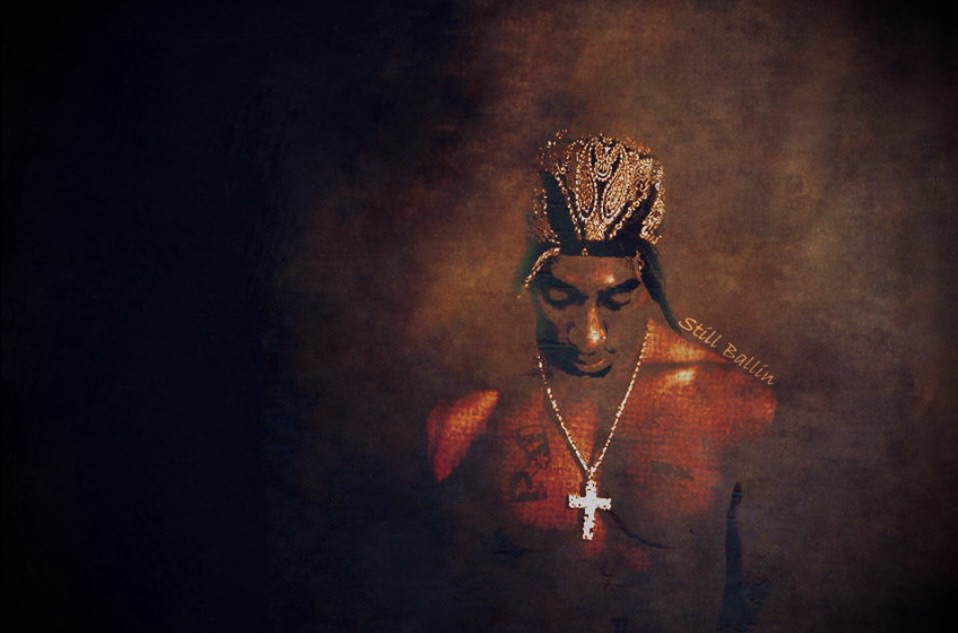
[’96 Bonnie & Clyde.]
2Pac definitely bit the entire premise of “Me and My Girlfriend” from Nas. Which is conflicting since Pac pokes fun at Nas on “Against all Odds” specifically for biting styles (he also stated that he was going to kill him). He was inspired by Nas to use the idea that a gun would have human attributes. “I Gave You Power” was Nas’ ingenious wordplay written from the vantage point of a handgun. “Me and My Girlfriend” was a love song devoted to 2Pac’s handgun.
It can be noted that “Life of an Outlaw” uses mandolin just like Nas did originally in It was Written for the tracks “The Message” as well as “Affirmative Action”.
“Street Dreams” and “All Eyes on Me” both use the same exact sample melody.

[The Iceberg Slim Synopsis 2]:
Jay Z pissed me the fuck off when he did his cover theft of Pac’s entire song “Me and My Girlfriend”. He had his actual girlfriend as guest vocalist on the track, and he changed the words so it would not only literally be about his girlfriend, but the lyrics would also be less violent. To add to that dumbed-down, candy coating he completely eliminated the metaphorical aspects of the song. It was basically a parody song in the key of “Weird Al” Yankovic.
It was something that not only seemed disrespectful to the memory of 2Pac, but it was also hijacked from the very album where 2Pac dissed him. On top of that – since it started with Nas, to go full-circle, it helped to prove that Nas was overall the more thoughtful MC in the storied Jay Z/Nas feud.
To make it even worse, Jay Z’s cover rendition is hilariously still the best song on The Blueprint 2. It’s just that horrible of an album on so many god damn levels.
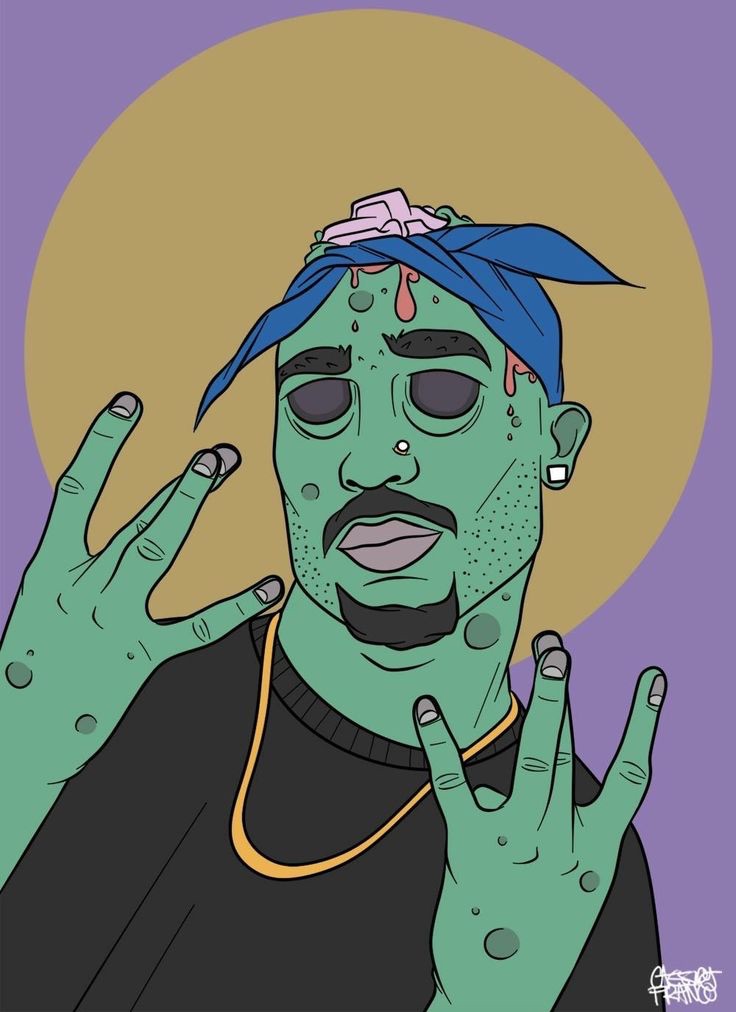
…
None of 2Pacs friends’ verses were tight enough to be on “Me and My Girlfriend”. Pac heard what they written, said “nah”. He went it alone. Flowing vivid innuendo to an analogous partner in crime over Spanish acoustic guitar solos. Virginya Slim with a ruffneck personification of the forty-five-caliber pistol spitting bone-chilling liquid fire and lurid fury.
[The Sacred and The Profane.]
This union intrigues me. There is the emergence of the theology of the profane. Tupac embodied that; both the theological and the profane, while still embodying a Christ-like image that permeated many of his songs. This is one reason why so many young people loved him. More importantly, Tupac was a man of his word, he was credible. When he spoke of ‘hood violence, you knew he had lived it, been there, and done that. (Hodge, 2006)
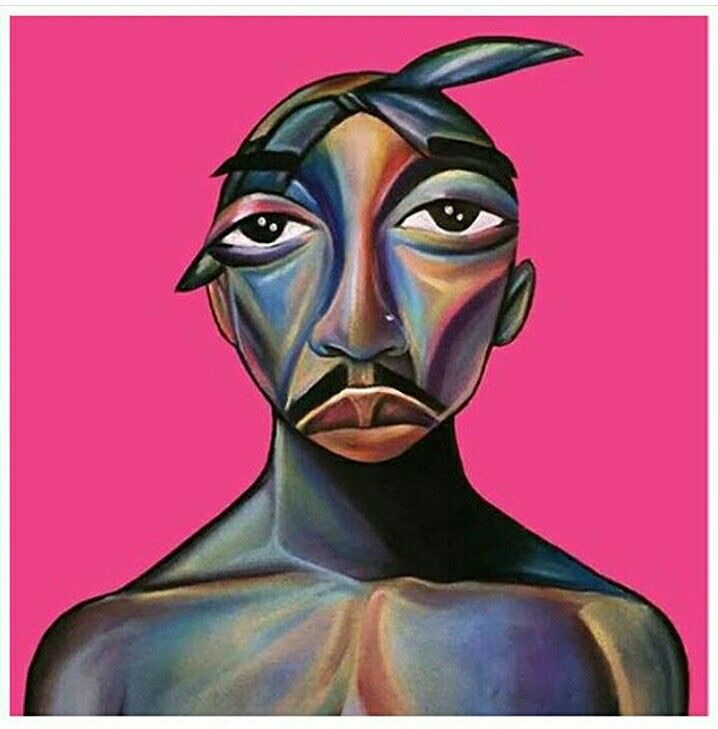
In life not only had Pac pulled the trigger but he shot two off duty, drunk police officers in self-defense in 1993. A lot of his poetry is theoretical, but a large sample is the Black Panther roots reality he was living.
“Hold ya Head” has themes to me that call back to the book of Ecclesiastes and getting through life on simple pleasures.
Epicurus, in the School of philosophy at The Garden in Athens taught that people were capable of pursuing philosophy by surrounding themselves with friends and striving for a self-sufficient life.
He advocated that death is the end of both flesh and spirit and therefore demise should not be feared. Epicurus acknowledged that he though gods exist, but they have no involvement in human affairs.

He encouraged people to act ethically. Not because the gods will punish or reward for actions but because of the crushing weight of guilt, amoral behavior would inevitably lead to remorse weighing on their consciences. As a result, they would be prevented from attaining ataraxia – equanimity characterized by ongoing freedom from distress. Freedom from worry.
Daniel White Hodge (2006: 99) talks about urban youth, where the reality of Utopia is not within reach. The harsh realities of the inner city surrounding their daily lives, forcing them to question whether there really is a God that would allow such despair and poverty.
Solomon, born seven hundred years before Epicurius, charted a similar path of ideals born later in Epicureanism. Ecclesiastes is marked by a syncretism: a union of spiritual and secular philosophies. A fork in the road where Makaveli found his energy in a dynamic diagram of the sacred and profane.

After a life of extravagance, and after painstaking work in achieving fame and wealth, after indulging himself, Solomon could only say he was sickened with life. Sickened by all his labor. He recognized in the end, all he did was nothing more than achieve “vanity and vexation of spirit”.
The hedonistic ethics of Epicurus considered an imperturbable emotional calm trending toward the highest good. His followers held intellectual pleasures superior to transient sensualism. It’s clear that life is bleak. Dark.
“No matter how hard it gets – get the weed, drink a drink, read a book, watch the stars, get some pussy…whatever”.
It’s all temporal.

Meet me at the cemetery, dressed in black
Tonight we honor the dead, those who won’t be back
So, if I die, do the same for me, shed no tears
An outlaw thug livin’ in this game for years
Let these words be the last to my unborn seeds
Hope to raise my young nation in this world of greed
Currency means nothin’ if you still ain’t free
[Eternally Inscribed.]
Hoping my thug motherfuckaz know. This be the realist shit I ever wrote.
“Against all Odds” is one of the greatest narratives ever penned to refract tension between the East Coast and West Coast.
2Pac and Nas did squash their beef literally a few weeks before Pac was shot in Las Vegas. Pac told Nas that he was going to remove the diss lines from “Against all Odds” but per the timeline of the murder and the album release, it never happened.(4) The eternal etching of a 2Pac beef will remain on Nas’ Wikipedia profile until the end of the internet.
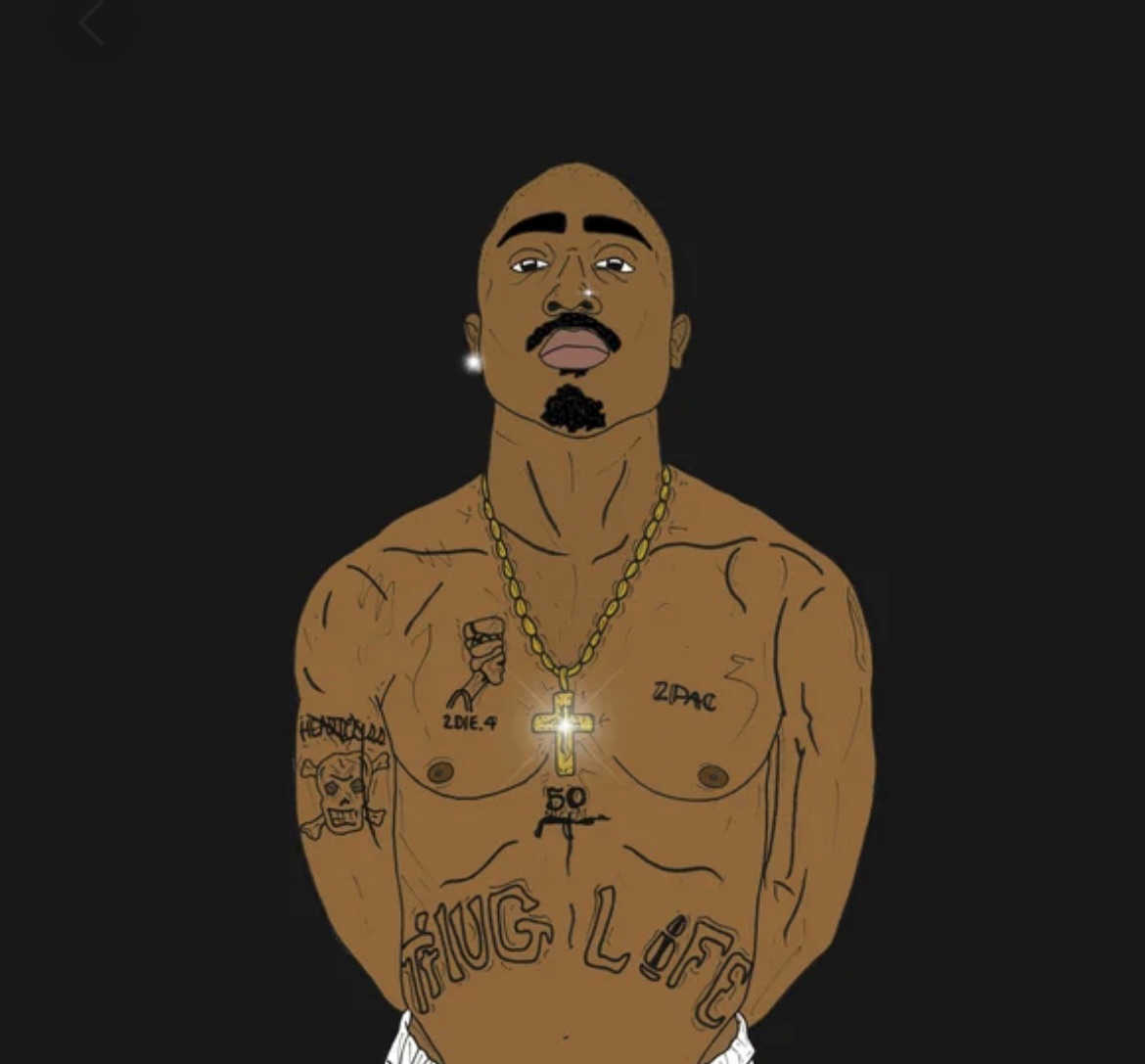
He also goes hard after Haitian Jack and King Tut who he, again fully believed were involved in the set up where he was shot five times in New York. King Tut was just release from prison this month (October 2024) after a judge changed his mind and cancelled his five lifetime sentences, releasing after twenty-seven years.
Pac noted that he’d “probably be murdered” for the lines he stated in this track. The irony adding to the ghostly lore was that he got killed before anyone even heard the song.
[Epilogue.]
Two tracks on that second half of the album, “Hold ya Head”, and “White Man’s World”, seemed to be where 2Pac was headed in his journey. They are tied back to quite a few of his earlier songs like “Brenda’s Got a Baby”, “Keep ya Head Up”, and “Dear Mama” in that they reflect Pac’s themes of support for Black women and a yearning for justice.
With his intent on making The Don Killuminati an underground mixtape with various themes, my guess is that he wanted to get out his final urges of revenge on wax. From what I’ve read he was at least desiring to be done with the gangsta mentality, even if he hadn’t fully taken the next steps. He was wanting to pursue paths of civil duty and speaking even more on socioeconomic issues after bleeding out these final tracks of violence and vitriol spewed in a small window of time.
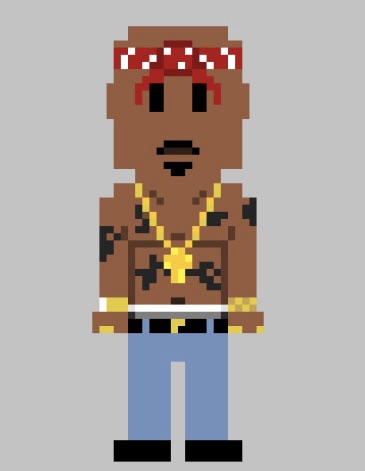
Three days of creation gave way to an insurmountable universe of controversy and tension.
Thug Life, for 2pac, represented the “least of these”. The marginalized, and the poor. Individuals with no voice. Pac embraced Black popular culture for both the glitter and the grime. He diagnosed the Thug Life Code.
The complexity feels like hypocrisy to some, and it is confusing at times. I have to remind myself that he was only twenty-five years old at the end of his life. Revolutionary ideals were surfacing for him, at the same time he was trying to balance extreme fame and success while maintaining a thug presence in order to make good on his Deathrow Records negotiations.

Canticles of pluralism and irony.
In the scheme of things 2pac was a poet. A student of the arts. A thug. A blues artist who cut open his veins to bleed all over the tracks. An irreverent reverend.
James H. Cone connected the blues with what he termed a “secular spiritual” (1992: 68-97); a true postmodern tenet.
The compilation of songs on Makaveli the Don Killuminati was a nuanced embattlement of coming to terms with coming of age. Some people either believe the Bible verbatim and some people toss it out completely. Others thrive on the maddening complexities and strive to extract the pure meaning in the maze of jarring entanglement.
2Pac penned his own scriptures. The Prophet of Rage spoke ripples that turned to waves of circumstance.
You said don’t go to war unless I got my money right.
Well, I got my money right now.
Now I want war.

…
(0) Hodge, Daniel White, Baptized in Dirty Water: The Missiological Gospel of Tupac Amaru Shakur
(2006, Fuller Theological Seminary, Doctor of Philosophy in Intercultural Studies)
I reached out to Daniel White Hodge through his website to tell him that I’ve read his entire doctoral thesis on the Theology of Tupac Shakur. He never replied.
(1) Except Rappin 4-Tay. I have no clue how he ended up on that album.
(2) Eventually All Eyes on Me would become a diamond selling record. Ten million copies sold – and a double-disc album at that. Absolutely ridiculous.
(3) During the window of me actually finishing this record review, some old dude came forth admitting that his nephew pulled the trigger that night on the Vegas strip. The nephew has since been murdered, and it sounds like the uncle guy is gaining some sort of income or garbage credibility by confessing now twenty-eight years later. The nephew was the guy getting stomped out in MGM lobby video footage, which makes sense and also feels anticlimactic.
One note is that the uncle guy insists that Puff Daddy paid them one million dollars to do it. The thing that doesn’t make that much sense is that he’d pay someone a million dollars who would just happen to get beat up an hour or so beforehand, by the same guy he was supposed to kill.
(4) Though this is all stated from Nas.
West, Cornell (1993) Race Matters: Beacon Press
Cone, James H. (1992) Spirituals and The Blues: An Interpretation: Orbis Books
Makaveli – The Don Killuminati: The Seven Day Theory (1996)
 BeerEngineLiterary
Complex topic; comprehensive piece. Nice job.
LikeLike
Keep up the writing; your style is becoming more powerful over the years;causing one to think or see in a new way. Thanks for sharing.
LikeLike